
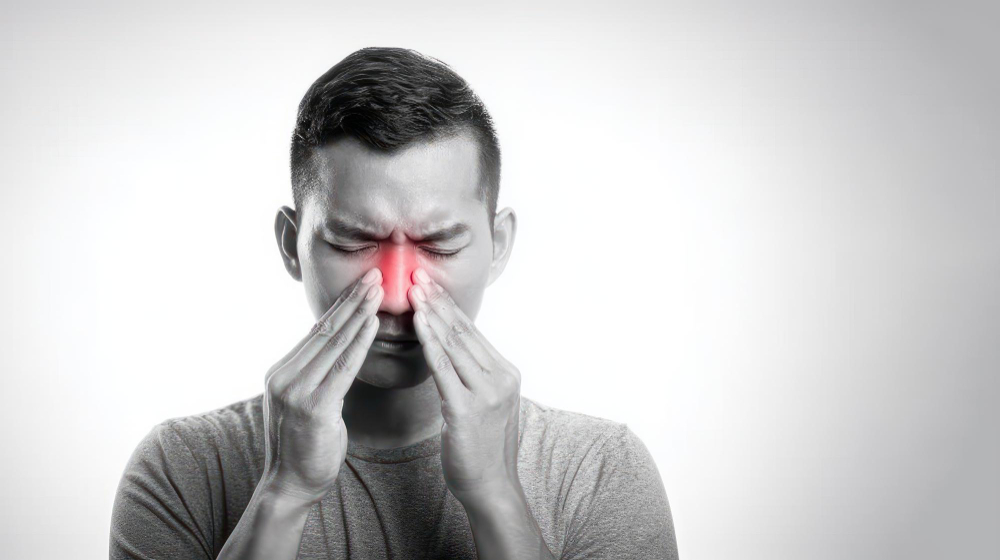
What is Sinusitis?
Sinusitis is a common health problem. It happens when the spaces inside your nose, called sinuses, become swollen or infected. Usually, these spaces help filter air and keep your nose moist. However, when they get blocked, you may feel pain or pressure. Sinusitis can last for a short time or become a long-term issue. According to the Centers for Disease Control and Prevention (CDC), sinusitis affects millions of people each year. For many, it feels like a bad cold that will not go away. Because sinusitis can cause discomfort, knowing the signs and treatments is important.
Common Symptoms of Sinusitis
Many people wonder about sinusitis symptoms. While symptoms can vary, most people notice a few key signs. For example, you may have:
Sometimes, sinusitis symptoms can feel like a regular cold. However, if they last more than 10 days or get worse, it may be sinusitis. In some cases, children may also have a cough, crankiness, or swelling around the eyes.
Causes and Risk Factors
Sinusitis often starts after a cold or allergy flare-up. Because the nose and sinuses are linked, swelling in one area can block the other. Viruses are the most common cause, but bacteria or fungi can also lead to infection. In addition, certain things raise your risk of getting sinusitis. For instance:
Sometimes, dental infections or changes in air pressure can also trigger sinusitis. Because these factors can add up, knowing your risks may help you prevent sinus problems.
How Sinusitis is Diagnosed
Many people ask how to diagnose sinusitis. Doctors usually start by asking about your symptoms and health history. Next, they may look inside your nose with a small light. In some cases, your doctor may gently press on your face to check for pain. If symptoms last a long time or come back often, your doctor may order more tests. For example, they might use:
Because sinusitis can look like other problems, these tests help your doctor choose the right treatment. According to the CDC, most cases do not need special tests unless symptoms are severe or last a long time.
Treatment Options for Sinusitis
Sinus infection treatment depends on the cause and how long symptoms last. For most people, sinusitis gets better on its own. However, some treatments can help ease discomfort. For example:
Sometimes, your doctor may suggest decongestants or nasal steroid sprays. If a bacterial infection is likely, antibiotics may be needed. However, most sinus infections are caused by viruses, so antibiotics will not help in those cases. For people with chronic sinusitis, other treatments such as allergy medicines or surgery may be considered. According to the World Health Organization (WHO), it is important to follow your doctor’s advice for the best results.
Prevention and Lifestyle Tips
Preventing sinusitis is possible with a few simple habits. Because healthy sinuses are less likely to get infected, try these tips:
In addition, treat colds and allergies early to stop swelling in your nose. Because small changes can make a big difference, following these steps may help you avoid sinus problems. For more advice on sinus health consult Dr. Ruchir Verma.