
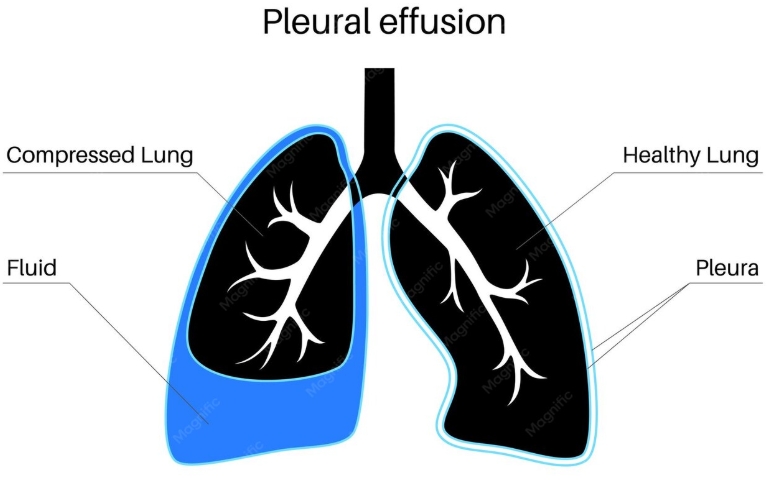
What is Pleural Effusion?
Pleural effusion is a condition where extra fluid builds up between the layers around your lungs. These layers are called the pleura. Normally, a small amount of fluid helps your lungs move smoothly when you breathe. However, too much fluid can make it hard to breathe and cause discomfort. Pleural effusion is important because it can signal a serious health problem. Early detection and treatment can help prevent complications.
Common Symptoms
Pleural effusion symptoms can vary. Sometimes, people have no symptoms at all. Yet, as fluid builds up, you may notice changes in how you feel. For example, you might experience:
Because these symptoms can be caused by other conditions, it is important to see a doctor for proper diagnosis.
Main Causes
There are many causes of pleural effusion. Some are more common than others. Understanding the cause helps guide treatment. The main causes include:
Sometimes, doctors may not find a clear cause. In these cases, more tests may be needed.
How Pleural Effusion is Diagnosed
Doctors use several methods to diagnose pleural effusion. First, they ask about your symptoms and medical history. Next, they perform a physical exam. Often, doctors use imaging tests to see fluid in the lungs. These tests include:
In addition, doctors may remove a small sample of fluid with a needle. This test is called thoracentesis. The fluid is then checked for infection, cancer, or other problems. According to the CDC, these steps help find the cause and guide treatment.
Treatment Options
Treatment for pleural effusion depends on the cause and how much fluid is present. In many cases, doctors treat the underlying problem first. For example, if heart failure is the cause, medicines to remove extra fluid may help. Common treatment options include:
Sometimes, doctors recommend a procedure called pleurodesis. This seals the space to stop fluid from building up again. Always, your doctor will choose the best treatment for your situation.
Prevention and Lifestyle Tips
While you cannot always prevent pleural effusion, some steps may lower your risk. For instance, you can:
Because some causes cannot be controlled, early detection is key. If you notice symptoms, seek medical help quickly.
When to See a Doctor
It is important to see a doctor if you have symptoms of pleural effusion. For example, if you feel short of breath, have chest pain, or a cough that will not go away, get checked. Also, if you have a history of heart, lung, or kidney problems, do not ignore new symptoms. Early treatment can prevent serious complications.
In summary, pleural effusion is a serious condition that needs medical attention. If you suspect you have fluid in your lungs, do not wait. Consult a pulmonologist Dr. Ruchir Verma for personalized advice about pleural effusion.