
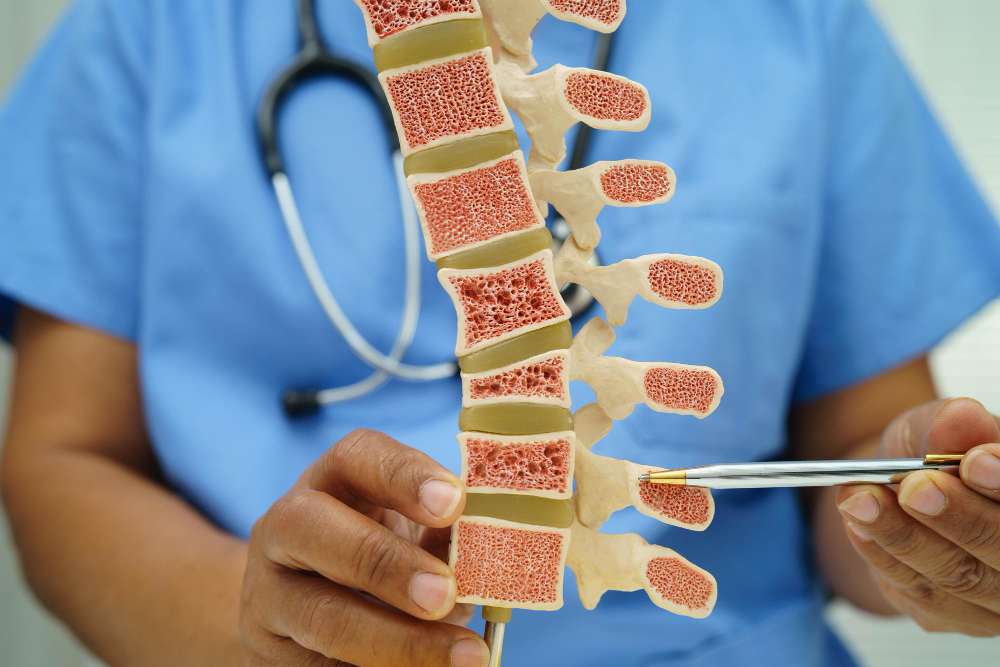
Osteoporosis is a condition that makes your bones weak and more likely to break. As people age, bone health becomes even more important. In fact, osteoporosis is common in seniors, especially women after menopause. Because bones lose strength over time, it is important to know how to protect them. According to the World Health Organization (WHO), osteoporosis affects millions worldwide. However, early action can help keep your bones strong.
Symptoms and Warning Signs
Often, osteoporosis does not cause symptoms until a bone breaks. Still, there are some warning signs to watch for. For example, you may notice:
Because these signs can be subtle, it is important to pay attention to changes in your body. If you notice any of these, talk to your doctor.
Causes and Risk Factors
Many things can lead to osteoporosis. Some risk factors you cannot change, but others you can manage. For instance, common causes and risks include:
Because some risks can be changed, making healthy choices can help protect your bones.
Diagnosis and Screening
Doctors use special tests to check for osteoporosis. The most common test is a bone density scan, also called a DEXA scan. This test measures how strong your bones are. Usually, women over 65 and men over 70 should get screened. However, if you have other risk factors, your doctor may suggest testing earlier. Early diagnosis helps prevent serious bone problems. Therefore, ask your doctor if you need a bone health check.
Treatment Options
There are several ways to treat osteoporosis. Your doctor may suggest:
Because each person is different, your treatment plan may vary. Always follow your doctor’s advice for the best results.
Lifestyle Tips for Stronger Bones
Simple changes can help keep your bones healthy as you age. For example, try these tips:
Because small steps add up, making these changes can lower your risk of broken bones.
Prevention Strategies
Preventing osteoporosis starts early, but it is never too late to act. To protect your bone health in aging, you can:
Because prevention is easier than treatment, focus on bone health now.
When to See a Doctor
If you have risk factors for osteoporosis or notice warning signs, see your doctor soon. For example, if you break a bone easily or lose height, it is time to get checked. Your doctor can help you with osteoporosis prevention tips and create a plan just for you. Early care can make a big difference.
Consult a healthcare specialist for personalized osteoporosis prevention and treatment advice.