
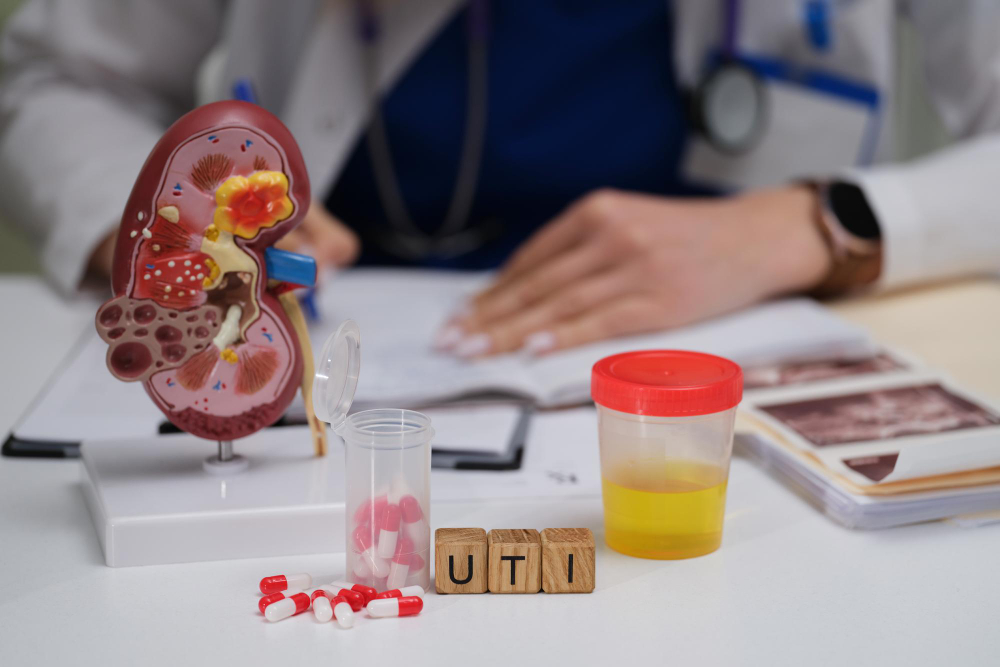
Introduction
Understanding UTI is important for everyone. A urinary tract infection (UTI) can affect people of all ages. UTIs are common and can cause discomfort. However, knowing the signs and how to prevent them can help you stay healthy. This guide explains what a UTI is, its symptoms, causes, diagnosis, treatment, and prevention tips. Learning about UTIs can help you act early and avoid problems.
What is a UTI?
A UTI is an infection in any part of your urinary system. This system includes the kidneys, bladder, ureters, and urethra. Most UTIs affect the bladder and urethra. Bacteria cause most urinary tract infections. Sometimes, viruses or fungi can also be the cause. UTIs are more common in women, but men and children can get them too.
Common Symptoms of UTI
UTI symptoms can vary, but some signs are very common. Early treatment can help prevent complications. Watch for these urinary tract infection symptoms:
If you notice these symptoms, it is important to seek help. Quick action can make a big difference.
Causes and Risk Factors
Most UTIs are caused by bacteria entering the urinary tract. Escherichia coli (E. coli) is the most common type. However, other germs can also cause infections. Several factors can raise your risk of getting a UTI:
Knowing these risk factors can help you take steps to prevent UTIs.
How UTIs are Diagnosed
Doctors use simple tests to diagnose a UTI. First, they ask about your symptoms. Next, they may ask for a urine sample. This sample helps check for bacteria, blood, or pus. Sometimes, more tests are needed if you have frequent infections. For example, an ultrasound or a special X-ray may be used. Early diagnosis helps prevent serious problems.
Treatment Options for UTI
Treating a UTI is usually straightforward. Doctors often prescribe antibiotics to kill the bacteria. It is important to take all the medicine, even if you feel better. Drinking plenty of water can help flush out the bacteria. For pain, your doctor may suggest medicine to ease discomfort. In rare cases, if the infection is severe, you may need treatment in a hospital. Always follow your doctor’s advice for the best results.
Prevention Tips and Lifestyle Guidance
Preventing a UTI is possible with simple steps. Here are some UTI prevention tips you can follow:
These habits can lower your risk of getting a urinary tract infection.
When to See a Doctor
Sometimes, a UTI can become serious. If you have symptoms that do not improve, see a doctor. Also, seek help if you have fever, chills, back pain, or blood in your urine. These signs may mean the infection has spread to your kidneys. Early treatment can prevent complications. Do not wait if you feel very unwell.
Conclusion
UTIs are common but treatable. Knowing the symptoms, causes, and prevention tips can help you stay healthy. If you think you have a UTI, consult Dr. Ruchir Verma for personalized advice on UTIs. Early care leads to better outcomes.