Introduction
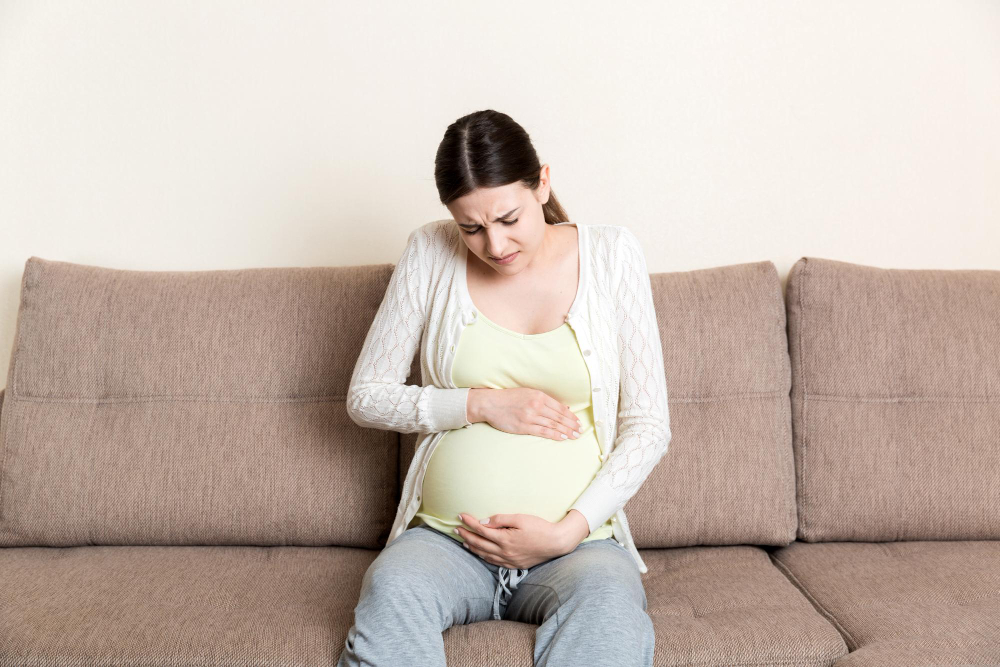
A high risk pregnancy means there is a greater chance of health problems for the mother, baby, or both. Many women experience pregnancy complications, so knowing about high risk pregnancy is important. Early awareness helps expectant mothers and families take steps for better maternal health. With the right prenatal care, many risks can be managed. Understanding the symptoms, causes, and management options can help you stay informed and prepared.
What is a High Risk Pregnancy?
A high risk pregnancy is when a woman or her baby has a higher chance of health issues during pregnancy or birth. This can happen for many reasons. Some women have health problems before pregnancy. Others develop issues while pregnant. Either way, extra care is needed to keep both mother and baby safe.
Common risk factors include:
Symptoms and Warning Signs
It is important to watch for symptoms that may signal a high risk pregnancy. Early action can help prevent serious problems. Look out for these warning signs:
Causes and Risk Factors
Several things can cause a high risk pregnancy. Some are present before pregnancy, while others develop later. Knowing these causes helps you understand your own risk.
Diagnosis and Monitoring
Doctors use several ways to identify high risk pregnancies. Early diagnosis helps manage risks and improve outcomes. First, your doctor will review your medical history and ask about past pregnancies. Next, they may perform physical exams and order tests.
Common tests and monitoring methods include:
Regular check-ups are important for tracking your health and your baby’s development.
Management and Treatment Options
Managing a high risk pregnancy involves both medical care and lifestyle changes. Your doctor will create a plan based on your needs. Often, you will need more frequent prenatal visits. These visits help catch problems early.
Management strategies include:
Sometimes, your doctor may suggest seeing a specialist for extra care.
Prevention and Lifestyle Tips
While not all high risk pregnancies can be prevented, you can lower your risk with healthy habits. Try these tips:
When to Seek Medical Help
Some symptoms need urgent medical attention. If you notice any of these, contact your doctor or go to the hospital right away:
Reliable Resources
For more information on high risk pregnancy, visit trusted sources. The World Health Organization (WHO) and Centers for Disease Control and Prevention (CDC) offer helpful guidelines. You can also read peer-reviewed medical journals for the latest research. These resources provide up-to-date advice on pregnancy complications, prenatal care, and maternal health.
Conclusion
In summary, high risk pregnancy means extra care is needed for the mother and baby. Knowing the symptoms, causes, and management options can help you stay safe. Regular prenatal care and healthy habits make a big difference. Consult a qualified OBGYN specialist Dr. Ruchir Verma for personalized advice on high risk pregnancy.