
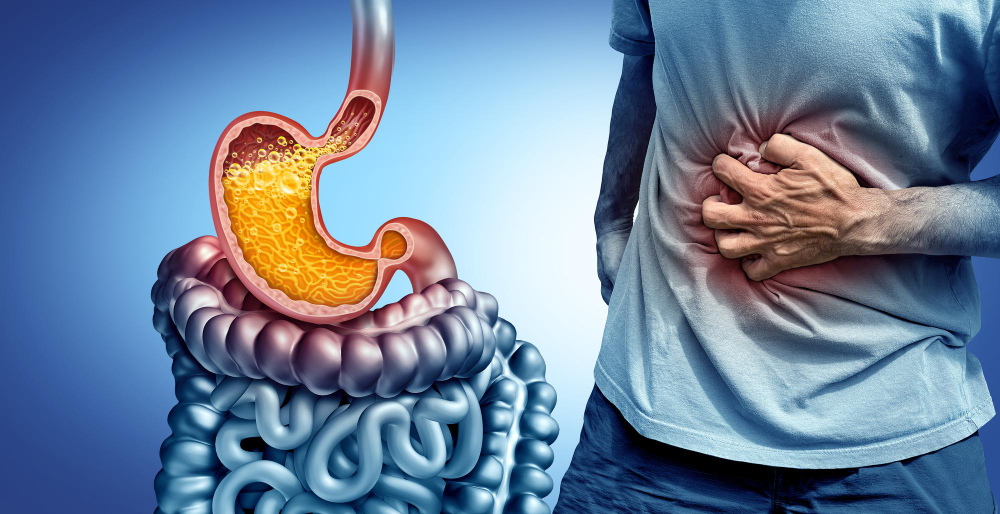
Introduction to GERD
GERD, or Gastroesophageal Reflux Disease, is a common digestive problem. It happens when stomach acid flows back into the food pipe. This backflow is called acid reflux. Many people in the US and worldwide have GERD. According to the CDC, millions of adults experience GERD symptoms each year. Because GERD can affect daily life, it is important to understand its signs and how to manage it.
Common Symptoms of GERD
GERD symptoms can vary from person to person. However, some signs are more common than others. For example, you may notice:
Sometimes, symptoms get worse at night or after large meals. If you notice these signs often, GERD may be the cause.
Main Causes and Risk Factors
GERD happens when the muscle at the end of the food pipe does not close properly. As a result, acid can move up from the stomach. Several things can increase your risk of GERD. For instance:
Because these factors can make GERD worse, knowing them helps with prevention and management.
How GERD Is Diagnosed
Doctors use several ways to diagnose GERD. First, they ask about your symptoms and medical history. Next, they may suggest tests, such as:
Sometimes, doctors try acid reflux treatment first. If symptoms improve, this can help confirm GERD.
Treatment Options for GERD
There are many ways to treat GERD. Often, doctors suggest starting with lifestyle changes. For example:
In addition, medications can help. These include:
For severe cases, doctors may suggest procedures. For instance, surgery can strengthen the muscle at the end of the food pipe. However, most people manage GERD at home with lifestyle changes and medicine.
Prevention Tips and Daily Management
Managing GERD at home is possible with simple steps. To help prevent symptoms, try these tips:
Because triggers can differ, keep a food diary to spot problem foods. Over time, these habits can reduce acid reflux and help you feel better.
When to See a Doctor
Although mild GERD can be managed at home, you should see a doctor if:
Because GERD can lead to serious problems if untreated, early care is important. In the US, many clinics and doctors can help with GERD diagnosis and treatment.
Conclusion
In summary, GERD is a common but manageable condition. With the right steps, you can reduce symptoms and improve your quality of life. If you have symptoms of GERD, consult Dr. Ruchir Verma for personalized advice.